BLOG
Insights on 360° feedback and leadership development

BLOG
Insights on 360° feedback and leadership development

A 360 survey is a questionnaire that gathers feedback on one person’s work behaviors from the people who work with them: their manager, peers, direct reports, and sometimes customers. The…

For many teams, late fall is when next year’s development calendar gets written, and somewhere on that calendar sits a line that says “360.” Picking the month looks like the…

A 360 degree feedback report shows how a person’s behaviors are seen by the people who work with them: their manager, peers, direct reports and others, side by side with…

Pick up a typical 360 survey and there’s a good chance you’ll find a question like this one: “Is a strategic thinker.” It sounds like leadership. It fits neatly in…

Search for the benefits of 360 degree feedback and you’ll find long lists: objective evaluation, less bias, a more open culture, better teamwork. Some of that can happen. Some of…

A leader opens a 360 report in March and picks two behaviors to work on. By May, the report is a bookmark. By September, a colleague might ask how it’s…
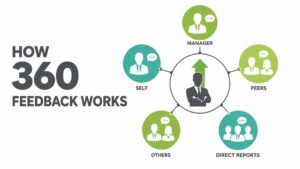
Most people have a picture of how they come across at work. 360 degree feedback tests that picture against how colleagues actually experience them. Done well, it’s one of the…

Senior managers and directors live in a strange middle. They sit too high in the org chart for first-line management training to fit, and too far from the C-suite for…

Most 360 feedback reports get read once and shelved. The leader scans the file, lingers on the lowest score, takes a deep breath, and closes it. By month two, the…
360 degree feedback has a unique way of surfacing patterns leaders may have rationalized, minimized, or simply never seen. When feedback aligns across peers, direct reports, and managers, it can…