BLOG
Insights on 360° feedback and leadership development

Insights on 360° feedback and leadership development

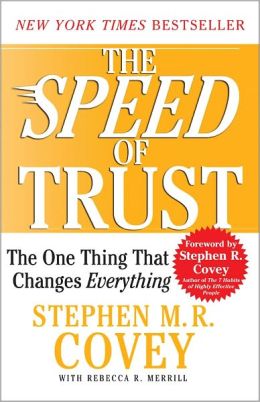
Don't mistake this Covey with his father, author of the "7 Habits" series. He is his own person, and has written a book that could revolutionize our view of trust in organizations. I highly recommend this book; it is deep and thorough and not to be read in a few evenings. The information and wisdom it possesses should be savored, pondered, and integrated slowly for the greatest impact. When corporate scandals, terrorist threats, and betrayal by our leaders have created low trust on nearly every front, Covey maintains that the ability to establish, grow, extend, and restore trust with all stakeholders is the key leadership competency of the new global economy.
Trust is defined as having confidence. When you trust people, you have confidence in them - in their integrity and their abilities. When you distrust people, you are suspicious of them. Covey cites a study showing that total return to shareholders in high-trust organizations is almost three times higher than the return in low-trust organizations. On a personal level, high-trust individuals are more likely to be promoted, make more money, receive the best opportunities, and have more fulfilling and joyful relationships.
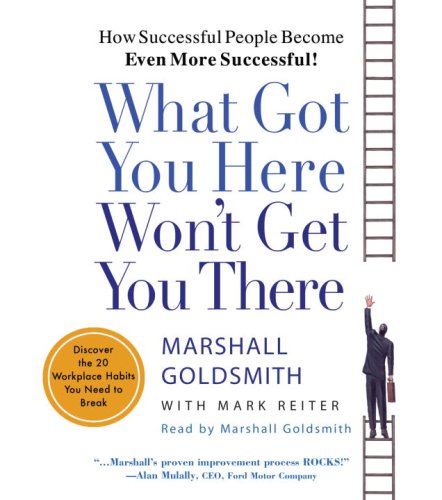
Dr. Goldsmith is one of corporate America's preeminent executive coaches. He charges a lot for his services, and his clients enthusiastically assert that he's worth it. But if you don't have the money to hire him personally, you will get a flavor for his work by reading this fine book. And you might see yourself in its pages.
This book is designed to help successful people become even more successful by identifying an interpersonal problem that they need to stop. Goldsmith discusses the twenty habits that often cause successful people problems. These include: winning too much (the behavior that encompasses many of the other problems), adding too much value, making destructive comments, speaking when angry, withholding information, and not listening.
Goldsmith's solution to these interpersonal career stoppers is to understand what you need to change and then move through his formula for making lasting change. The most daunting step is deciding what needs to change. Goldsmith warns us not to undertake changing more than one item on the list at a time. To help you choose, Goldsmith strongly recommends getting feedback from those who see you regularly.